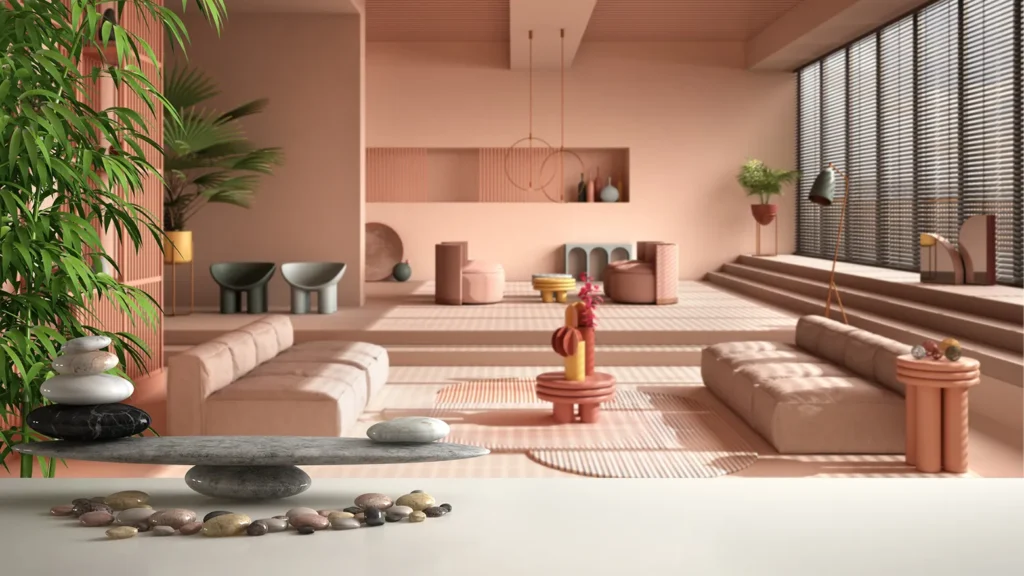
In 2025, home design isn’t just about looks—it’s about how it makes you feel. Welcome to the era of anti-anxiety design, where calming spaces are no longer a luxury but a necessity for mental well-being.
With rising stress levels and screen time at an all-time high, more people are turning their homes into wellness sanctuaries. Here’s how to transform your space into a haven of calm—no therapist required.
🌿 1. Nature Is Non-Negotiable
Biophilic design—the idea of connecting indoor spaces with nature—is everywhere this year.
- Add real or faux greenery in every room.
- Use earthy tones like sage, terracotta, and sand.
- Choose materials like bamboo, linen, stone, and wood.
TikTok trend: “Plant corners” that double as mental reset zones.
🎨 2. The New Neutrals Are Warmer
Goodbye cold grays. Hello warm neutrals like oat milk, clay, mushroom, and soft blush. These hues feel grounding and soothing, especially under soft lighting.
Pro tip: Keep walls light and layer in cozy textures with throws, rugs, and pillows.
🔇 3. Soundproofing Is Self-Care
Open-concept homes are beautiful—but not always peaceful. In 2025, people are investing in sound-dampening features:
- Thick rugs and curtains
- Acoustic panels (that look like art!)
- White noise machines for bedrooms
🛋️ 4. Furniture That Hugs You Back
Ergonomic, curved, and plush furniture is in. Designers are leaning into comfort-first layouts that prioritize how you feel over how a space looks.
- Choose low-slung sofas, rounded chairs, and poufs.
- Prioritize modular setups for flexibility.
Look for: “deep-seated” or “cloud-style” descriptions when buying.
💡 5. Mood Lighting Is Mental Health
Overhead lights are out. Layered lighting is in. The goal: mimic natural light patterns to keep your circadian rhythm in sync.
- Use floor and table lamps with warm-toned bulbs.
- Smart bulbs let you shift from cool to warm as the day winds down.
- Try sunrise alarm clocks for a gentler wake-up.
🧘 6. Designated ‘Decompression’ Zones
One of 2025’s biggest design trends? Carving out a corner just for calm. Think meditation nooks, reading chairs, or yoga mats in a sunlit space.
You don’t need a spare room—just a quiet spot with:
- A soft surface
- Minimal clutter
- Something grounding (plant, candle, textured object)
📱 7. Tech-Free Touchpoints
The most calming homes in 2025 aren’t necessarily “smart” everywhere. People are creating tech-free pockets where their brains can unplug.
- No screens in the bedroom
- Charging stations at the entryway
- Analog clocks and real books
Design hack: Use a tray to store phones out of sight.
🌬️ 8. Scent & Air Matter More Than Ever
Your brain processes scent faster than sight. Calming spaces now include:
- Essential oil diffusers with lavender or eucalyptus
- Natural incense or candles (look for soy or beeswax)
- HEPA air purifiers to keep air clean and light
✨ Final Thought
Creating a calm home in 2025 isn’t about perfection—it’s about intention. By choosing colors, textures, and layouts that soothe rather than stimulate, you’re investing in daily mental clarity.
Whether you live in a city studio or a family home, the rise of anti-anxiety design proves one thing: peace starts where you live.
Author: AI Generated