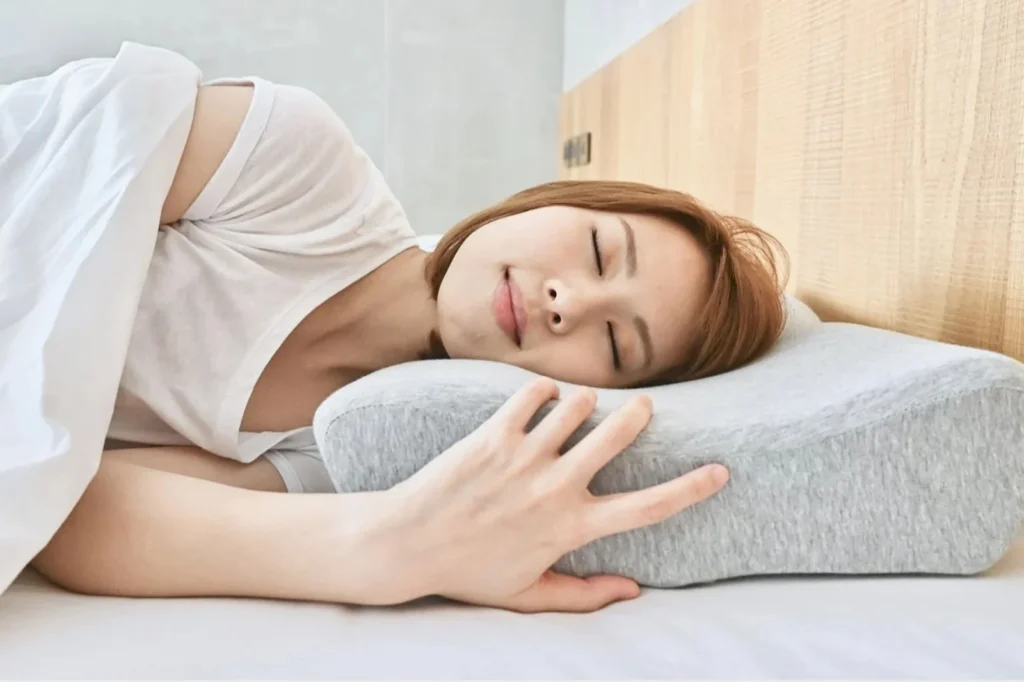
In 2025, nearly everything in your bedroom—from your mattress to your watch—is smart. Sleep trackers, temperature-regulating beds, AI-guided meditation apps, and wearable EEG headbands all promise to help you sleep deeper, longer, and better.
But according to sleep experts, this tech revolution might be a double-edged sword.
So… is your sleep tech actually helping—or quietly making your insomnia worse? Let’s dive into what the science and specialists are saying.
🛌 Sleep Tech Is Smarter Than Ever…
Today’s sleep tech does more than just track how long you’re in bed. In 2025, leading devices now offer:
- Real-time HRV and breathing analysis
- Personalized circadian rhythm insights
- Smart alarms that wake you at the perfect time
- Adaptive temperature control
- AI-powered sleep coaching via your phone or wearable
It sounds like a dream—until it isn’t.
😴 …But It Might Be Causing “Sleep Performance Anxiety”
One growing concern among sleep specialists is what they call orthosomnia—a condition where people become so obsessed with getting “perfect” sleep data that they actually sleep worse.
“People are waking up more tired—not because of poor sleep, but because their app told them they slept poorly,” says Dr. Lena Hart, a behavioral sleep expert. “We’re seeing a rise in sleep-related anxiety that’s directly tied to tracking devices.”
📉 The Dark Side of Sleep Tracking
Here’s what experts are cautioning against:
- Overanalyzing data: Most consumer-grade trackers aren’t 100% accurate, especially for REM and deep sleep phases.
- Constant monitoring = stress: Tracking everything—steps, calories, heart rate, and now sleep—can lead to burnout.
- Disrupted sleep from the tech itself: Blue lights, EMF concerns, and even notifications can interfere with natural cycles.
✅ How to Use Sleep Tech the Right Way in 2025
Experts agree: sleep tech isn’t the problem—it’s how we use it.
✔ Tips for smart, healthy sleep tracking:
- Use trends, not nightly numbers. Look at weekly patterns instead of obsessing over one night’s stats.
- Choose passive trackers. Devices like smart rings or non-wearable monitors are less intrusive.
- Focus on behavior change. Use insights to improve habits (like reducing caffeine or sticking to a routine), not to chase perfect sleep scores.
- Turn off alerts at night. Sleep mode should mean no buzzes, beeps, or prompts.
🧠 What Actually Matters for Sleep in 2025?
According to sleep research, these are still the most important factors:
- Consistent sleep and wake times—even on weekends
- Cool, dark, quiet bedroom environments
- Wind-down routines free of screens and stress
- Limiting caffeine and alcohol close to bedtime
Sleep tech can support these—but it can’t replace them.
🌙 Final Thought
In 2025, sleep tech can be a powerful ally—or an exhausting distraction. The difference? Awareness. Track, learn, and improve—but don’t let the tech take over your rest.
Because sometimes, the best sleep strategy is to simply unplug.
Author: AI Generated